MyHealth 2.0 - Healthcare Patient Portal
Led the complete rebuild of Intermountain Health's MyHealth 2.0 patient portal from Angular 8 to React.js/React Native in 24 months, delivering a unified cross-platform experience integrating HL7 interfaces, laboratory systems, and financial services for a major healthcare provider.
Project Gallery
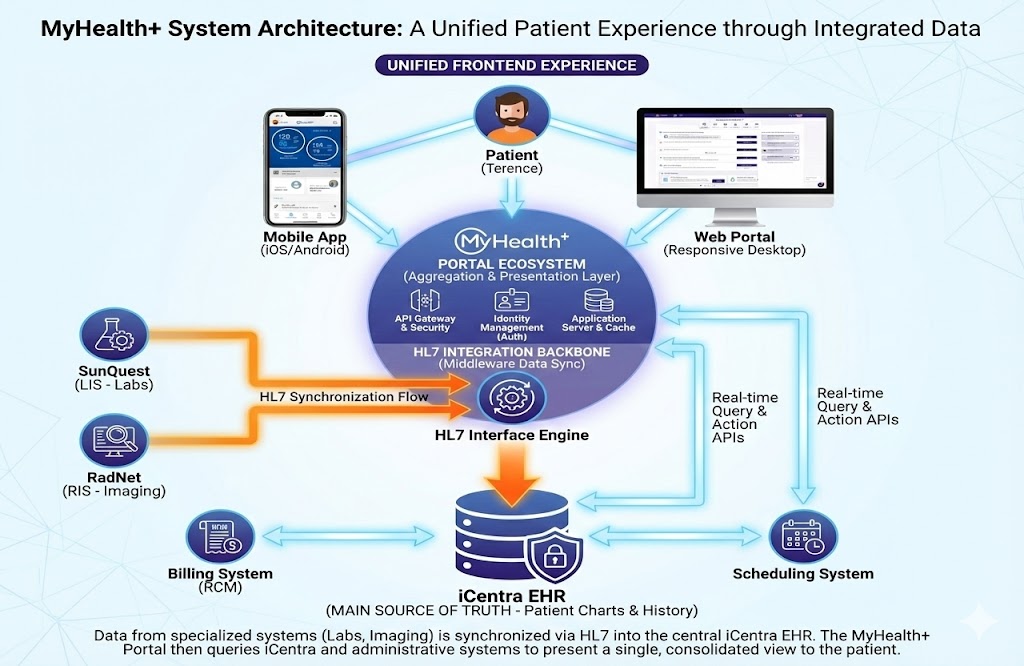
MyHealth 2.0 Enterprise integration architecture infographic
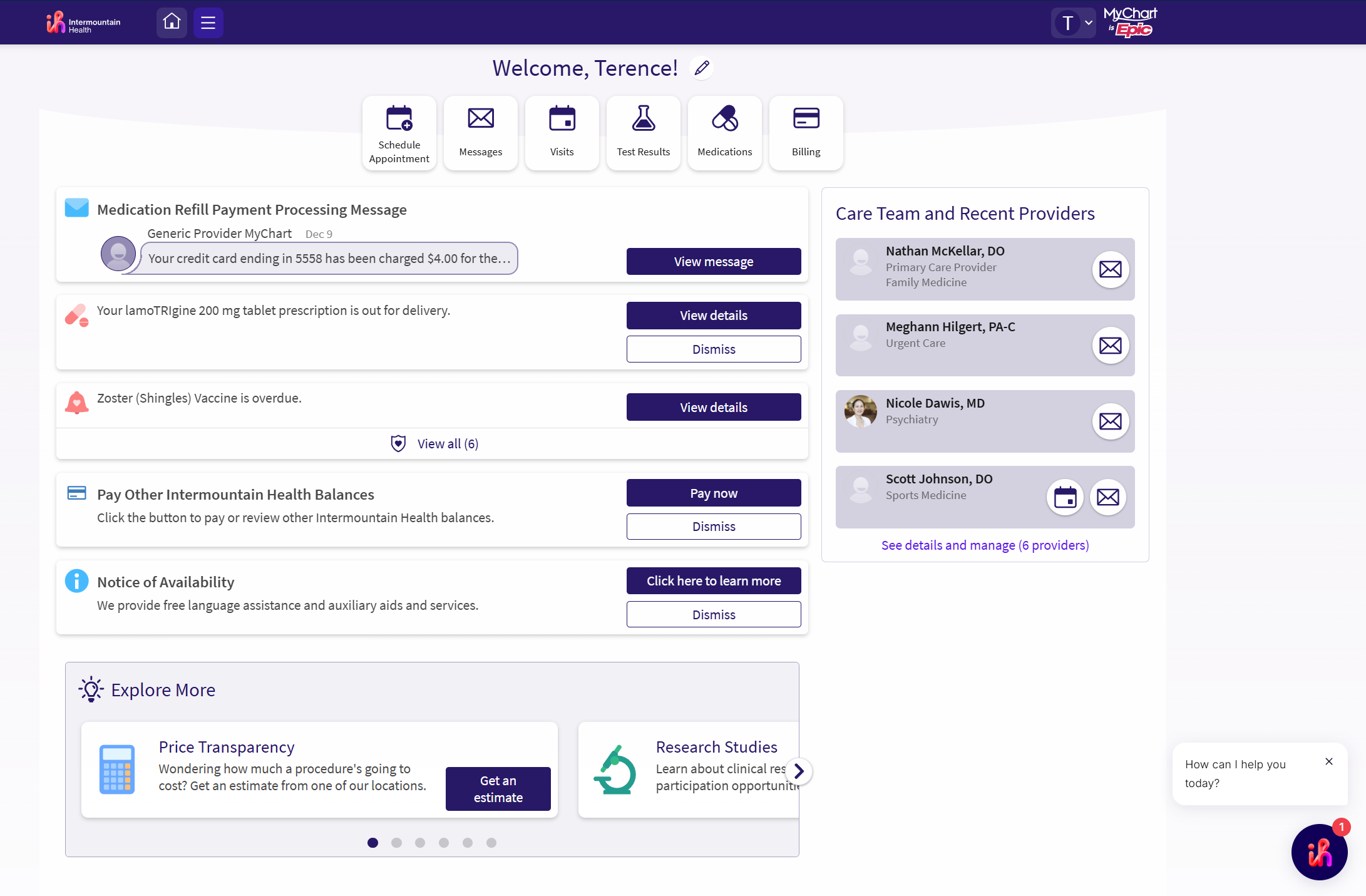
MyHealth 2.0 responsive website - Homepage
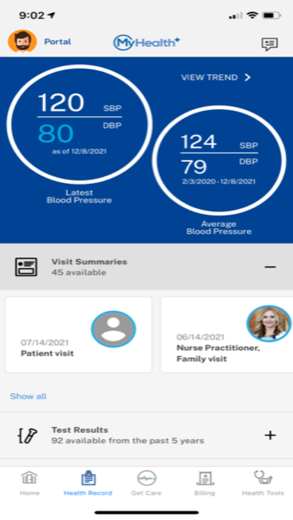
MyHealth 2.0 responsive app - Test Results Page

MyHealth 2.0 Patient Portal logo
MyHealth 2.0 - Healthcare Patient Portal
INTELLECTUAL PROPERTY DISCLAIMER: This project is the proprietary intellectual property of Intermountain Health. This portfolio entry demonstrates Fluxline's capability to deliver enterprise-scale healthcare applications. All work was performed as a front-end developer and designer while Terence Waters, the owner of Fluxline, was an employee with Intermountain Health. No proprietary code, screenshots, or confidential information are disclosed in this post, nor does Fluxline claim this project or its property as its own.
Project Overview
Led the complete technical rebuild of MyHealth 2.0, Intermountain Health's enterprise patient portal, transforming it from Angular 8 to React.js (web) and React Native (mobile) within a compressed 4-month timeline due to critical performance issues in the legacy system.
Project Scope:
- Complete rewrite: Angular 8 → React.js + React Native
- Cross-platform delivery: Unified codebase for web and mobile
- Enterprise integrations: HL7 interfaces, laboratory systems, financial services
- Timeline: 24 months for rebuild, 1 year total project delivery
- Team structure: Full development team, stakeholders, project managers, and executive leadership
Technical Implementation
Frontend Architecture
React.js Web Application:
- Rebuilt entire web portal using React.js with Material UI design system
- Direct code ports from React Native to ensure feature parity
- Component-based architecture for scalability and maintainability
- Performance optimization addressing legacy Angular 8 bottlenecks
React Native Mobile Application:
- Native mobile experience for iOS and Android
- Shared component library with web application
- Material UI theming and design language
- Cross-platform code reuse and optimization
Enterprise System Integrations
Interfaced with multiple healthcare IT systems:
- HL7 Standards: Healthcare data interchange protocols
- iCentra: Clinical information system
- RadNet: Radiology information system
- SunQuest Laboratories: Laboratory information management
- RevCycle: Revenue cycle management
- Internal Financial Systems: Billing and payment processing
- WebCollect: Payment collection services
Agile Methodology & Delivery
Sprint Cadences:
- 2-week sprint cycles with consistent velocity tracking
- Daily standups and sprint planning ceremonies
- Retrospectives and continuous improvement
Scrum Master Leadership:
- Facilitated all Scrum ceremonies (planning, review, retrospective)
- Removed blockers and coordinated cross-functional dependencies
- Maintained team focus and delivery momentum
Stakeholder Collaboration:
- Regular demos and feedback sessions
- Coordination with project managers and executive leadership
- Technical consultations with engineering teams and healthcare consultants
Design Approach
Material UI Design System:
- Google's Material Design language for consistency
- Healthcare-appropriate color theming and accessibility
- Responsive layouts across all device sizes
- Touch-friendly mobile interactions
User Experience:
- Patient-first interface design
- Simplified workflows for lab results, appointments, billing
- Accessibility compliance for healthcare regulations
- Intuitive navigation for diverse patient demographics
Challenges & Solutions
Challenge: Compressed Timeline (24 months)
Solution: Prioritized direct code ports between React Native and React.js, leveraging shared component architecture and aggressive sprint planning to meet critical deadlines.
Challenge: Legacy Performance Issues
Solution: Identified Angular 8 performance bottlenecks and architected React solution with optimized rendering, lazy loading, and efficient state management.
Challenge: Complex Healthcare Integrations
Solution: Coordinated with multiple vendor systems (HL7, iCentra, RadNet, SunQuest) to ensure seamless data flow and real-time patient information updates.
Challenge: Cross-Platform Consistency
Solution: Established shared component library and design patterns between React.js and React Native, ensuring unified patient experience across web and mobile.
Key Learnings
- Enterprise Healthcare IT: Deep understanding of HL7 standards, healthcare data workflows, and regulatory requirements
- Cross-Platform Architecture: Effective code sharing strategies between React.js and React Native
- Agile at Scale: Leading Scrum ceremonies and stakeholder management in large enterprise environment
- Performance Optimization: Identifying and resolving critical performance issues under tight deadlines
- Team Collaboration: Coordinating with engineers, consultants, project managers, and executive leadership
Technologies Used
- React.js
- React Native
- Material UI (Google)
- HL7 Integration Standards
- Agile/Scrum Methodology
- Healthcare IT Systems (iCentra, RadNet, SunQuest, RevCycle, WebCollect)
- Enterprise Architecture Patterns
Results
- 4-month rebuild addressing critical Angular 8 performance issues
- Unified cross-platform experience for web and mobile patients
- Successful enterprise integrations with 6+ healthcare IT systems
- On-time delivery within 1-year total project timeline
- Stakeholder satisfaction from project managers and executive leadership
Capability Statement
This project demonstrates Fluxline's capability to deliver:
✅ Enterprise-scale healthcare applications with complex system integrations
✅ Cross-platform development (React.js + React Native) with code reuse strategies
✅ Agile methodology with Scrum Master leadership and ceremony facilitation
✅ Compressed timelines and high-pressure delivery environments
✅ Healthcare IT expertise including HL7, laboratory systems, and financial integrations
✅ Stakeholder collaboration across technical teams, project managers, and executive leadership
This portfolio entry demonstrates professional experience and technical capabilities. No proprietary intellectual property, screenshots, or confidential information belonging to Intermountain Health is disclosed.
Project Type: Enterprise Healthcare Application
Industry: Healthcare IT
Related Capabilities: React.js • React Native • Healthcare Integration • Agile Leadership • Enterprise Architecture